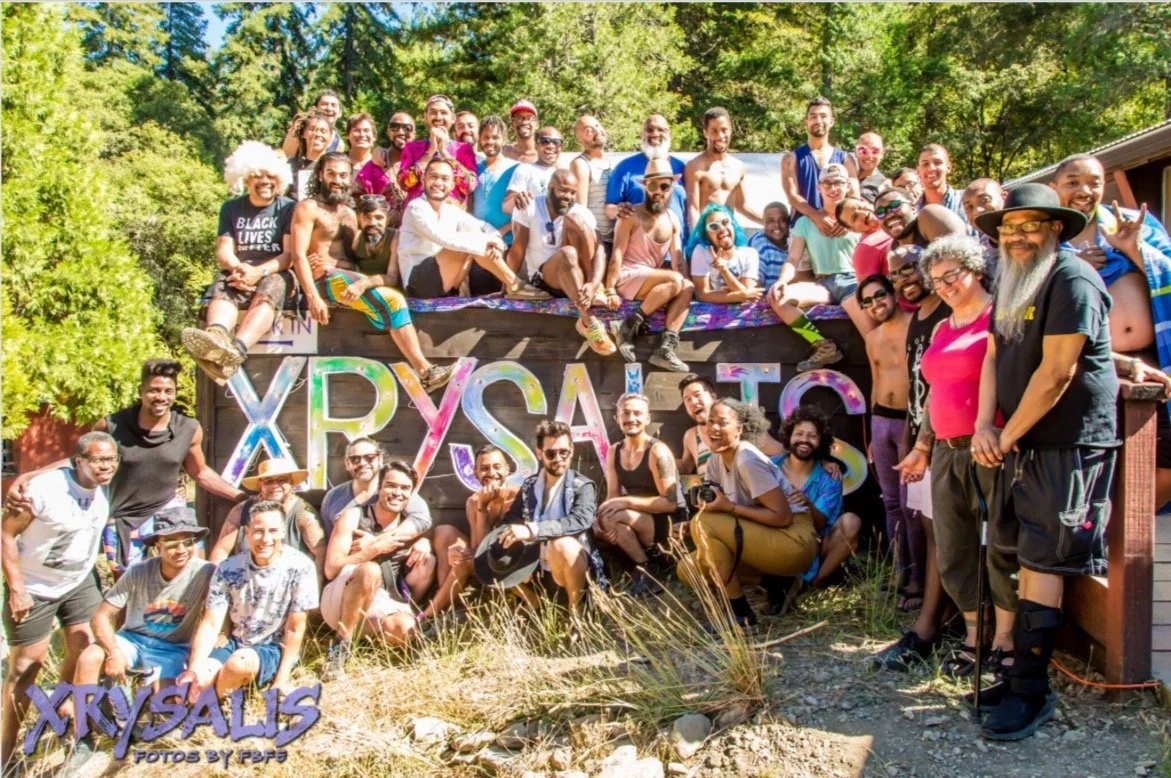
XRYSALIS
Building a Home for Healing Before We Had the Language for It
In 2015, while working in San Francisco as a Program Coordinator for a health and wellness initiative serving Black gay and bisexual men, I witnessed something that changed the trajectory of my life.
On paper, our community was gathering.
People were attending events.
Going to parties.
Building networks.
Dating.
Hooking up.
Showing up.
But underneath the surface, I saw something else.
I saw exhaustion.
I saw loneliness.
I saw brilliant, resilient people carrying the weight of racism, homophobia, economic hardship, family rejection, HIV stigma, and the daily labor of surviving in a world that often asked us to fragment ourselves in order to belong.
I realized that while there were spaces for entertainment, advocacy, and nightlife, there were very few spaces designed for us to simply rest.
To be held.
To heal.
To dream.
What would happen, I wondered, if queer and trans people of color gathered not around crisis, but around possibility?
What would happen if we created a space where healing, creativity, community, and belonging were not afterthoughts but the foundation?
That question became XRYSALIS.
Named after the stage of transformation between caterpillar and butterfly, XRYSALIS was envisioned as a sanctuary for queer and trans people of color to step away from the demands of the world and reconnect with themselves and one another.
What began as a dream quickly grew into a movement.
Over the following years, XRYSALIS produced two transformational retreats that brought together participants from across the country. The retreats combined workshops, storytelling, healing practices, community dialogue, artistic expression, and collective care at a time when conversations about healing-centered communities were still emerging.
But the retreats were only the beginning.
Recognizing that transformation requires continuity, we created a weekly community potluck and monthly healing circles to support connection beyond the retreat experience. These gatherings became places where people could share meals, celebrate victories, grieve losses, build friendships, and practice showing up authentically with one another.
Looking back, I realize XRYSALIS was more than an event.
It was an early prototype.
A living experiment in what becomes possible when people are given the space to belong.
Years before words like "healing ecosystem," "collective care," and "community wellness" became part of the cultural conversation, XRYSALIS was asking a different question:
What if our communities didn't only gather in response to pain?
What if we gathered to cultivate thriving?
The answer was profound.
People formed lifelong friendships.
Found collaborators.
Discovered their voices.
Explored new possibilities for their lives.
And perhaps most importantly, experienced what it felt like to be seen.
XRYSALIS taught me that healing is not simply an individual journey.
It is a communal practice.
And many of the ideas that continue to shape my work today—from OSHŪ to Where the Soul Grows—can trace their roots back to those early gatherings where a group of queer and trans people of color came together and dared to imagine a different future.
XRYSALIS was not just a retreat.
It was the beginning of a question that continues to guide my life:
What does it take to build spaces where people can become fully themselves?
Resilient Leadership
Composting the Old World So Something New Can Emerge
In 2017, my life unraveled.
I had recently lost my job at a nonprofit organization. The San Francisco I loved was rapidly disappearing under the pressure of the tech boom. Rents were soaring. Entire communities were being displaced. Like many Black and Brown people who had called the city home, I found myself pushed to the margins of a place I could no longer afford.
What initially felt like failure became an invitation.
I packed my life into a car and moved to Colorado with no clear roadmap—only the belief that there had to be another way to live.
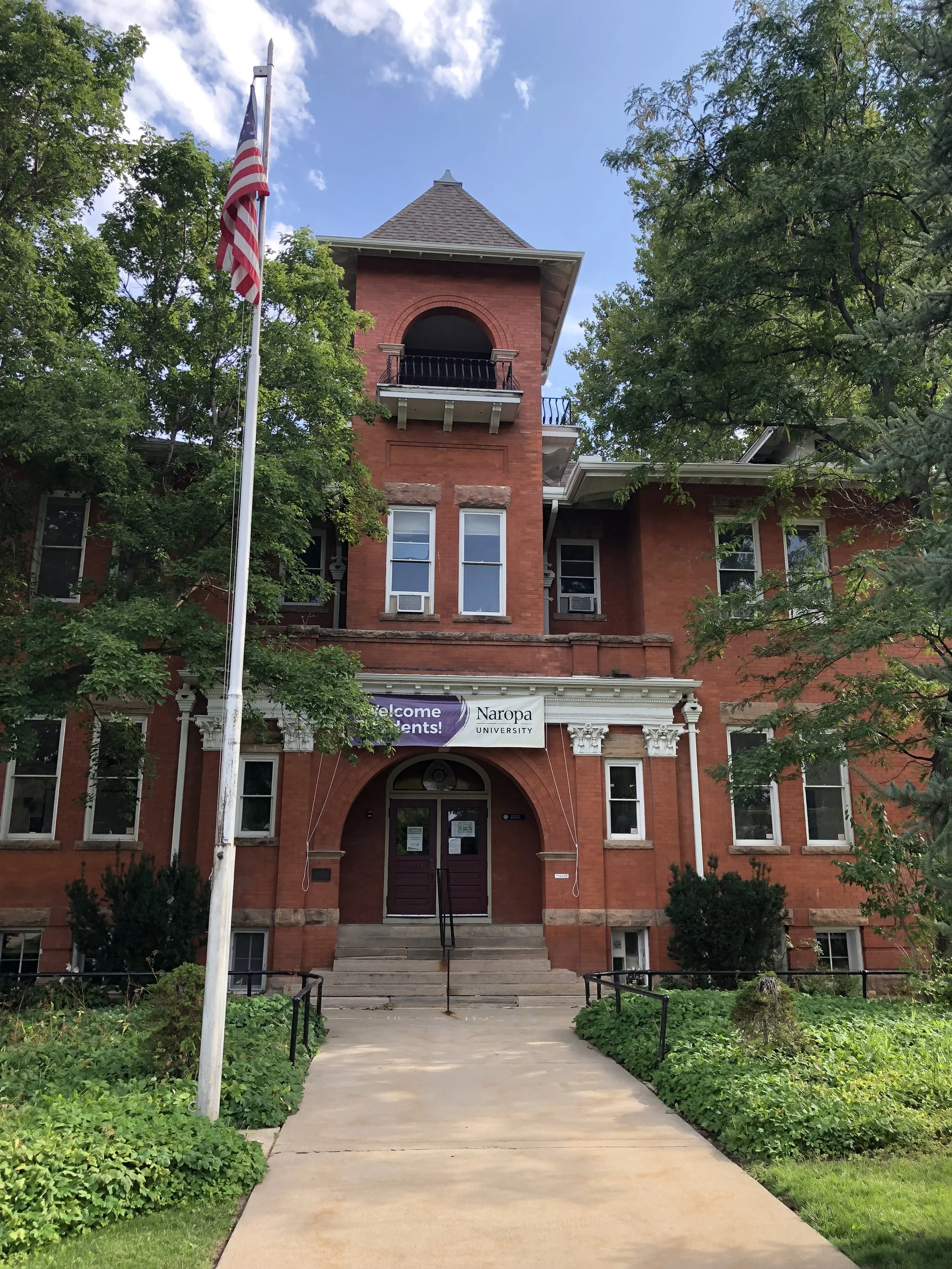
That search led me to Naropa University.
At Naropa, I entered a Master's program in Environmental Leadership and discovered a question that would shape the next phase of my life:
Why do our systems continue to produce the same outcomes, even when our intentions are good?
The answer I arrived at was unsettling.
Many of the institutions we rely upon—our nonprofits, businesses, governments, and leadership models—are built upon inherited assumptions that were never designed for collective liberation. We continue to recycle outdated ideas about power, leadership, success, and belonging while wondering why inequity persists.
My thesis, Resilient Leadership, Praxis, Pedagogy: A Black Queer Inqueery, challenged the foundations of traditional leadership and called for a new generation of leaders capable of holding complexity, cultivating compassion, and creating systems that genuinely serve all people. Rather than centering dominant perspectives, the work argued for leadership models informed by those who have historically been excluded from power: Black people, Indigenous peoples, queer people, people of color, and other marginalized communities.
At its core, the thesis asked a radical question:
What if the people closest to the pain are also closest to the solutions?
The work brought together Critical Race Theory, Quare Theory, contemplative practice, emotional intelligence, systems thinking, emergent strategy, and community wisdom to imagine leadership not as domination, but as stewardship. Leadership not as hierarchy, but as relationship. Leadership not as extraction, but as regeneration.
Yet the most important idea to emerge from this work was something even simpler:
The future will not be built by preserving old systems. It will be built by composting them.
Just as dead leaves become fertile soil, outdated ideas about leadership, identity, and power must be transformed so that something new can emerge. My thesis called for dismantling inherited assumptions, reimagining what is possible, and creating new models rooted in healing, interdependence, and collective thriving.
From this vision came the seed of what would later become ALKEMI Consulting & Development.
ALKEMI was never intended to be a traditional consulting firm.
It was conceived as a laboratory for transformation.
A place dedicated to helping individuals, organizations, and communities examine the systems they have inherited, identify what no longer serves them, and consciously cultivate what wants to emerge next.
The name itself reflects this aspiration.
Alchemy is the ancient art of transmutation—the transformation of one substance into another. ALKEMI became my modern interpretation of that practice: helping people and organizations transform confusion into clarity, conflict into growth, fragmentation into belonging, and inherited systems into living ecosystems.
Looking back, I can see that the journey from San Francisco to Colorado was never simply about starting over.
It was about finding my work.
XRYSALIS taught me that healing happens in community.
Naropa taught me that transformation requires new models.
ALKEMI became the bridge between those two truths.
And the question that continues to guide all of my work remains the same:
What becomes possible when we stop trying to reform systems that were never built for us and begin creating entirely new ways of belonging, leading, and becoming?
Shelterwood Collective
When a Retreat Became a Forest
Every movement begins with a question.
XRYSALIS began with one:
What would happen if queer and trans people of color had a place to rest, heal, dream, and build together?
In 2015, that question gave birth to a retreat. Then a community. Then a movement.
What I could not have imagined at the time was how far that question would travel.
Over the years, XRYSALIS became more than an event. It became a gathering place for visionaries, healers, artists, organizers, and dreamers searching for new ways of living in relationship with themselves and one another. It offered a glimpse of what became possible when community was organized around healing rather than crisis, belonging rather than survival.
Among those who gathered around that vision were people who would eventually help carry it somewhere even bigger.
Years later, that seed grew into Shelterwood Collective.
Located on 900 acres of forest in Northern California, Shelterwood is an Indigenous, Black, and Queer-led community forest, retreat center, and collective of land protectors, cultural organizers, and changemakers. What was once a summer camp became something entirely different: a living experiment in ecological restoration, cultural healing, land stewardship, and community belonging. Shelterwood works at the intersection of restoring forests, restoring relationships, and restoring our collective imagination about what becomes possible when people and land heal together.
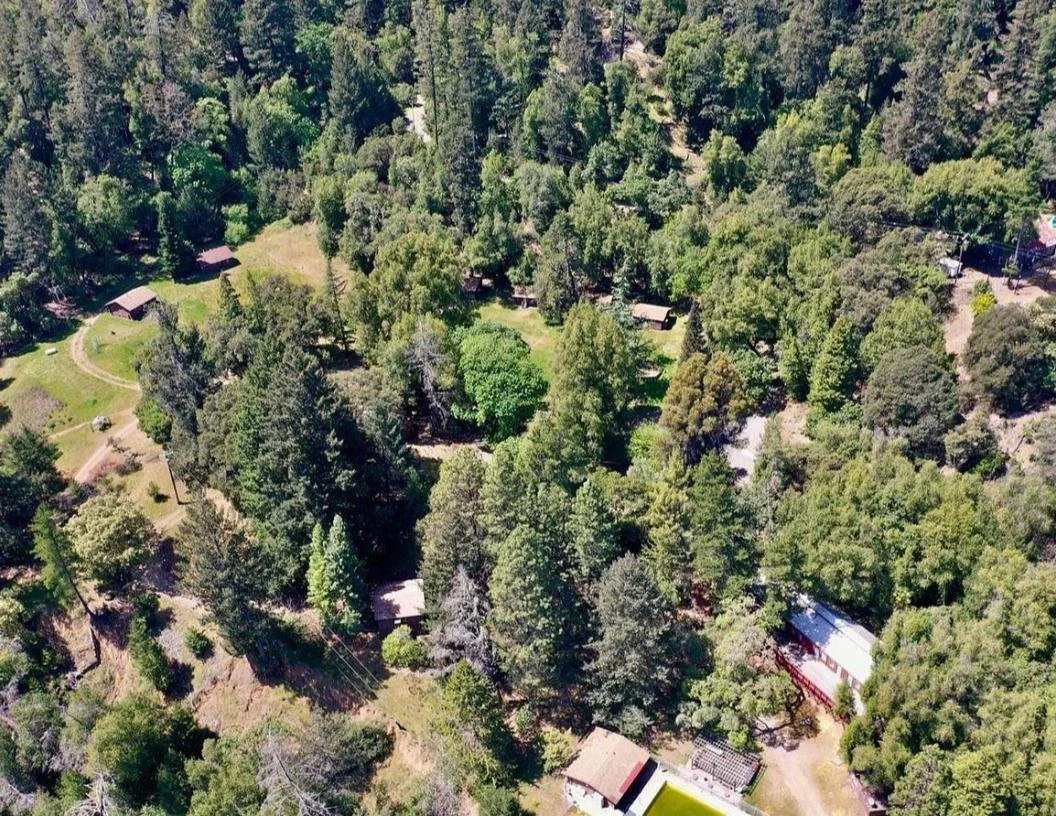
While Shelterwood grew into its own vision under the stewardship of many dedicated leaders, its origins can be traced back to a simple idea that first emerged through XRYSALIS:
Healing does not happen in isolation. It happens in ecosystems.
What began as a retreat for queer and trans people of color evolved into a larger inquiry about community, land, culture, and belonging. If XRYSALIS was asking how we heal ourselves, Shelterwood expanded the question:
How do we heal ourselves, our communities, and the land simultaneously?
The answer became a place where artists, activists, organizers, and cultural leaders could gather to dream, learn, restore forests, steward land, and practice what Shelterwood calls "right relations" the understanding that the health of any ecosystem depends upon the quality of the relationships within it. Humans, plants, animals, fungi, water, spirits, and communities are all interconnected. Healing one requires healing the others.
One of the greatest lessons I learned through this chapter of my life is that visions are not meant to be possessed.
They are meant to be carried.
Sometimes we are the ones who plant the seed.
Sometimes we are the ones who tend the soil.
Sometimes we are the ones who witness the forest that grows.
Though I am no longer part of Shelterwood's day-to-day story, I remain deeply proud of what emerged. Not because it fulfilled my vision, but because it exceeded it.
What began as a longing to create a retreat for queer and trans people of color became a 900-acre experiment in healing interconnected ecosystems, stewarded by people courageous enough to embody their ancestors' wildest dreams.
XRYSALIS crawled so Shelterwood could fly.
And Shelterwood reminds me that sometimes our greatest contribution is not building the thing itself.
It is daring to imagine it before anyone else can see it.

ALKEMI Consulting & Development
The Practice of Transforming Systems From the Inside Out
By 2019, I was deep into my Master's program at Naropa University, immersed in studying leadership, systems thinking, social change, contemplative practice, and the cultivation of human potential.
The deeper I went into my studies, the more a troubling realization emerged.
We were being trained to become a new kind of leader.
Leaders capable of holding complexity.
Leaders committed to equity.
Leaders rooted in self-awareness, emotional intelligence, community, and collective liberation.
Yet the world we were about to enter seemed fundamentally unprepared for that leadership.
The organizations we would work within—the nonprofits, institutions, and systems dedicated to creating change—often operated from the very paradigms they claimed to challenge. Hierarchy. Extraction. Burnout. Scarcity. Competition. Performative values disconnected from embodied practice.
I found myself asking a question that would not leave me alone:
What is the point of cultivating new leaders if the systems themselves remain unchanged?
That question became the seed of ALKEMI.
Inspired by the research and ideas explored in my thesis, I envisioned a consulting practice dedicated not simply to organizational development, but to transformation itself. A practice that understood that meaningful change requires more than new strategies, new policies, or new leadership trainings.
It requires transmutation.
The composting of obsolete ideas, inherited assumptions, and outdated ways of being so that something more aligned can emerge.
At first, ALKEMI existed only as an idea.
A possibility.
A question.
But over the next several years, that question continued to evolve.
Then, three years later, the vision found its people.
Together with two passionate leaders equally committed to transformation, ALKEMI began to take flight and move toward the purpose it was always meant to fulfill.
Today, ALKEMI exists as a response to a simple but profound truth:
Systems do not change simply because we want them to.
They change because people are willing to examine themselves, challenge inherited patterns, and embody new ways of being.
Our work emerged within the psychedelic ecosystem, a movement carrying immense potential for healing and transformation. Yet like every movement before it, the psychedelic movement is not immune to the influence of the systems from which it emerged. As psychedelic culture expands into mainstream institutions, questions of ethics, accountability, power, equity, and integrity become increasingly important.
ALKEMI was created to help answer those questions.
We view psychedelic culture not simply as an industry, but as a living culture with a deep lineage of values, responsibilities, and commitments. Many who enter this movement are themselves stepping away from systems rooted in domination, disconnection, and oppression. Yet leaving those systems does not automatically free us from them.
The habits remain.
The conditioning remains.
The wounds remain.
The work remains.
ALKEMI exists to support that work.
Our role is not to position ourselves as experts standing above others. Our role is to create conditions for honest reflection, courageous conversation, and meaningful transformation. We help individuals, organizations, and movements identify where their actions are misaligned with their values and support them in bringing those two things back into relationship.
This commitment begins with us.
Before engaging any organization, project, or movement, we first turn inward. We dedicate ourselves to understanding one another's dreams, goals, fears, triggers, wounds, and aspirations. We continuously examine our own systems, processes, and relationships because we believe integrity is not something you teach.
Integrity is something you practice.
Our internal process reflects our external offering.
Only when we are willing to do our own work can we authentically support others in doing theirs.
At its heart, ALKEMI is not a consulting firm.
It is a practice.
A commitment.
A philosophy.
A belief that individuals, organizations, and movements can evolve when they are willing to transform what no longer serves them.
Because the future will not be built by preserving old systems.
It will be built by those courageous enough to compost them.
Sleeptight Cooperative
Practicing the Future Before It Exists
In 2018, I joined a bold experiment.
At the time, I was studying leadership and systems change at Naropa University. I had spent years organizing communities through XRYSALIS and asking questions about healing, belonging, and collective liberation. Yet I found myself increasingly curious about a different question:
What if community wasn't something we visited? What if it was something we practiced every day?
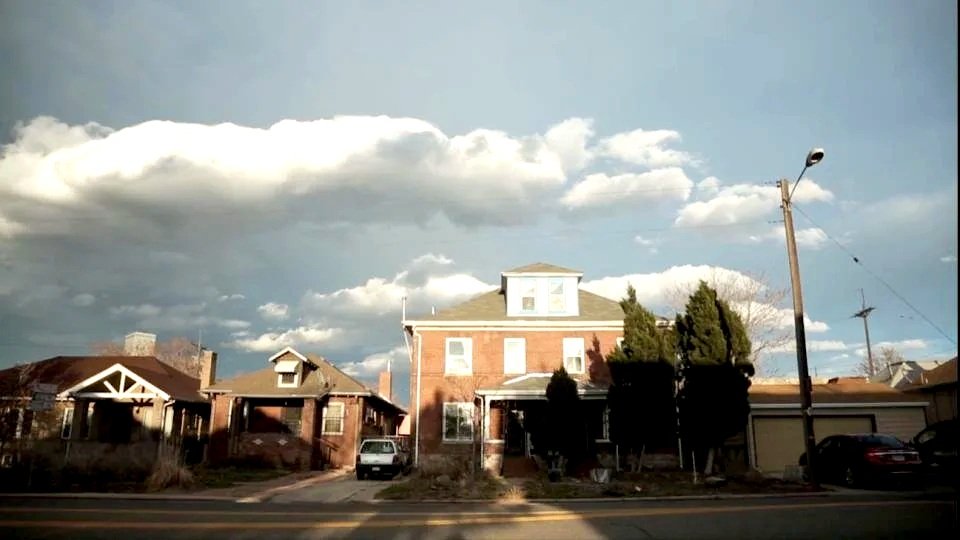
That question led me to Sleeptight Cooperative.
Sleeptight was not simply a house.
It was an attempt to reimagine what housing could become.
At a time when housing was increasingly treated as an investment vehicle, a commodity, and a mechanism for wealth extraction, we asked a different question:
What if housing could be a vehicle for healing?
Together, we developed an ambitious model rooted in perpetual affordability, collective ownership, mutual aid, and community governance. We envisioned a living ecosystem where residents, owners, and community members could participate in stewarding shared resources while cultivating relationships built on reciprocity, accountability, and care.
Our mission was simple but radical:
To compost a racist and classist housing system into something more regenerative.
Rather than reproducing systems of extraction, Sleeptight sought to create pathways toward stability, sustainability, and collective wealth-building for Queer, Black, Indigenous, People of Color, people with disabilities, and allied communities.
What made the project unique was that we understood housing as more than shelter.
Housing is infrastructure.
And infrastructure shapes culture.
If people are constantly navigating housing insecurity, isolation, displacement, and financial instability, how can they fully participate in community? How can they heal? How can they dream?
Sleeptight became our attempt to answer those questions.
We created systems of shared governance, community ownership, conflict transformation, mutual accountability, collective decision-making, and stewardship teams dedicated to everything from onboarding new members to maintaining gardens, finances, and long-term sustainability.
In many ways, it was messy.
As all experiments in collective living are.
Living in community asks more of us than agreement. It asks us to confront our assumptions, communicate through conflict, navigate power, practice repair, and continuously renegotiate what it means to belong.
But that was precisely the point.
Sleeptight was not trying to create a perfect community.
It was trying to create a resilient one.
Looking back, I see Sleeptight as another chapter in a larger inquiry that has guided much of my life's work.
XRYSALIS explored what healing ecosystems could look like.
My graduate research explored what transformational leadership could look like.
ALKEMI explored how systems themselves might evolve.
Sleeptight explored what happens when those ideas move from theory into daily life.
Not at a retreat.
Not in a classroom.
Not in a workshop.
But around shared meals, house meetings, gardens, repairs, celebrations, and the ordinary rhythms of living together.
It was an experiment in practicing the future before it exists.
A humble and ambitious attempt to ask:
What becomes possible when housing is organized around belonging instead of profit?
I still believe the answer to that question is unfolding.
Big Ideas, Real Impact.
Blackadelics
By 2022, the psychedelic renaissance was well underway.
Capital was flowing. Conferences were growing. New organizations were emerging. Psychedelics were being heralded as the future of mental health, healing, and human transformation.
And yet, something felt familiar.
As I looked around the psychedelic landscape, I saw many of the same patterns that existed elsewhere: Black voices were underrepresented, access remained inequitable, and conversations about healing often failed to account for the realities of race, culture, history, and systemic harm.
I found myself asking a question that had followed me throughout much of my work:
If healing is for everyone, why are so few of us in the room?
Inspired by movements like A Table of Our Own, I began imagining something different.
Not a seat at someone else's table.
A table of our own.
A place where Black people could gather to explore psychedelics, healing, spirituality, wellness, culture, and liberation through our own lens. A space where we did not have to explain ourselves, translate our experiences, or justify our presence. A community where curiosity, care, education, and belonging could coexist.
That vision became Blackadelics.
Blackadelics was created as a gathering place for Black people interested in the future of healing and consciousness. Through conversations, events, storytelling, community building, and education, the project sought to amplify Black voices within the psychedelic movement while fostering connection across generations, professions, and lived experiences.
At its heart, Blackadelics was never solely about psychedelics.
It was about access.
It was about representation.
It was about creating pathways for Black people to participate in conversations that were actively shaping the future of mental health and healing.
Most importantly, it was about belonging.
Because when people see themselves reflected in a movement, they are more likely to believe they belong there.
Blackadelics emerged from a simple conviction:
We should not have to wait for an invitation to participate in our own healing.
Sometimes the most powerful thing we can do is gather our people, pull up more chairs, and build the table ourselves.
An Architect of Culture
I've spent much of my life asking a simple question:
What becomes possible when people have the conditions to heal, belong, and become?
That question has taken many forms over the years.
In 2015, it became XRYSALIS, a retreat and community ecosystem for queer and trans people of color. At a time when conversations about collective care and healing ecosystems were still emerging, XRYSALIS created spaces for rest, creativity, ritual, and belonging. What began as a retreat evolved into healing circles, community dinners, and a living experiment in what happens when people gather not around crisis, but around possibility.
In 2017, after being displaced from San Francisco during the tech boom and leaving a nonprofit career behind, I moved to Colorado in search of a different future. At Naropa University, I explored leadership, systems change, and social transformation through the lens of my lived experience as a Black queer person. My thesis challenged conventional leadership models and called for leaders to become stewards people capable of composting outdated systems and cultivating new ways of relating, leading, and living.
That inquiry became ALKEMI Consulting & Development, a consulting practice dedicated to organizational transformation, cultural integrity, and helping movements embody the values they claim to uphold. Born within the psychedelic ecosystem, ALKEMI Consulting & Development emerged from a belief that real change requires more than new ideas. It requires the courage to transform ourselves.
Along the way, the seeds planted through XRYSALIS helped inspire what would eventually become Shelterwood Collective, a 900-acre community forest and retreat center dedicated to ecological restoration, cultural healing, and collective stewardship. While Shelterwood evolved into its own vision, it remains part of a lineage of inquiry around belonging, land, community, and the futures we are capable of imagining together.
That same inquiry led me into Sleeptight Cooperative, where I helped develop and steward an ambitious experiment in collective living, mutual aid, and community ownership. Sleeptight asked a radical question: What if housing could be organized around belonging rather than profit? What if community was not something we consumed, but something we practiced every day?
When I look back at these projects, I do not see separate accomplishments.
I see a single body of work.
A decades-long exploration into healing, leadership, community, culture, and human potential.
Some people build companies.
Some people build movements.
I seem to build worlds.
Worlds where people can reconnect to themselves.
Worlds where community is a practice.
Worlds where healing is collective.
Worlds where the future can be rehearsed before it arrives.
If there is a common thread running through everything I have created, it is this:
I believe transformation happens in relationship to ourselves, to one another, to our communities, and to the stories we dare to imagine together.
I am Sovereign Xavier Oshumaré.